Cieszyn art and historical gunsmithing
Craftspeople in Cieszyn preserve techniques for making and decorating historic firearms.
Sources ↗Kraków nativity scenes
Hand-built nativity scenes draw on Kraków’s architecture and local stories.
Sources ↗Lajkonik procession
A figure costumed as a rider on a mock horse leads the Kraków procession.
Sources ↗Ulanów rafting
The community on the San River passes on knowledge of building rafts and floating timber.
Sources ↗Corpus Christi procession in Łowicz
Residents gather in regional dress for the procession.
Sources ↗Esperanto culture
Speakers maintain a body of literature and cultural practices around the international language with links to Poland.
Sources ↗Podhale bagpipes
Makers and musicians preserve the skills of building and playing the koza.
Sources ↗Żukowo school of Kashubian embroidery
Embroiderers pass on the Żukowo patterns and techniques.
Sources ↗Falconry
Practitioners keep, train and hunt with birds of prey.
Sources ↗Polish national dances
The repertoire includes the polonaise, mazur, krakowiak, kujawiak and oberek.
Sources ↗Blessing of animals in Mikstat
People bring animals to be blessed during St Roch’s festivities.
Sources ↗Felczyński bell casting in Taciszów
Bell founders hand down their moulding and casting skills.
Sources ↗Warmian dialect and oral traditions
Warmian speech preserves local stories and memories.
Sources ↗Szymborze Easter verses
Local residents read rhymed verses aloud during the Easter dyngus festivities.
Sources ↗Wooden toys from Żywiec and Sucha Beskidzka
Craftspeople make and paint wooden toys.
Sources ↗Forest beekeeping
Bee colonies are kept in hollows prepared in standing trees or logs.
Sources ↗Perebory weaving on the Bug River
Patterned strips decorate textiles such as traditional garments.
Sources ↗Kraków bobbin lace
Lacemakers cross threads wound on bobbins to produce lace.
Sources ↗Biskupizna traditions
Villages around Krobia keep regional speech, costumes, music and customs alive.
Sources ↗New Year mummers of Żywiec
Costumed groups visit homes around New Year.
Sources ↗Grodzisk Turks
Men dressed as Turks stand guard at the symbolic Tomb of Christ.
Sources ↗Koniaków crochet lace
Lacemakers crochet small motifs and link them together.
Sources ↗Greater Poland bagpipes
Musicians preserve the repertoire and several regional types of bagpipe.
Sources ↗Lucimia kabłącok baskets
Basketmakers in Lucimia pass on how to make this local type of basket.
Sources ↗Szamotuły wedding traditions
Local weddings preserve regional songs, clothing and customs.
Sources ↗Kumoterki sleigh races
Horse teams compete in winter using small traditional sleds.
Sources ↗Żywiec bagpipes
Musicians and instrument makers preserve Żywiec bagpipes and play them on local occasions.
Sources ↗Corpus Christi flower carpets in Spycimierz
Residents arrange flowers along the route of the procession.
Sources ↗Gajdy bagpipes
Makers and musicians in the Silesian Beskids preserve this local instrument.
Sources ↗St Barbara’s Day among Upper Silesian coal miners
December festivities bring together ceremonies, music and mining customs.
Sources ↗Basketry in Poland
Weavers turn plant materials into baskets and other containers.
Sources ↗Poznań Bamber traditions
The Bamber community in Poznań maintains dress and customs linked to its Franconian origins.
Sources ↗Opole scratched eggs
Decorators scratch patterns into the surface of dyed eggs.
Sources ↗Opole painted ornament
Artists paint regional patterns on objects including porcelain.
Sources ↗Leading the bear in Opole Silesia
People dressed for carnival visit houses with a performer costumed as a bear.
Sources ↗The polonaise
Couples follow a leader in a procession-style dance at celebrations.
Sources ↗Kashubian Gwiôzdka
Costumed groups visit households during the Christmas season.
Sources ↗Kurpie papercutting in the Green Forest
Paper ornaments include star-shaped designs and leluja patterns.
Sources ↗Krzyżoki in Borki Małe
The village keeps a night-time Easter religious observance.
Sources ↗Babski comber in Opole Silesia
Women gather for music and dancing during the carnival season.
Sources ↗Flower carpets in four Opole Silesian villages
Klucz, Olszowa, Zalesie Śląskie and Zimna Wódka decorate the route for Corpus Christi.
Sources ↗Wax-resist Easter eggs in Opole Silesia
Decorators apply wax patterns before dipping eggs in dye.
Sources ↗Dunaj carols of Łukowa
Singers in Łukowa and nearby villages perform this seasonal repertoire.
Sources ↗Easter food blessing in Dąbrowa Chotomowska
The community keeps its own customs for blessing Easter foods.
Sources ↗Sowing hearts and crosses near Strzelce Opolskie
Plants are sown in heart and cross patterns in local fields.
Sources ↗Kurpie ceremonial breads
Byśki and nowe latka include small baked forms shaped like animals.
Sources ↗Carillon music in Gdańsk
Melodies are played on sets of tuned bells.
Sources ↗Kujawy goat mummers
Carnival groups visit homes with an actor in the role of a goat.
Sources ↗Embroidery from Urzecze
Embroidery from the Vistula communities decorates garments and other textiles.
Sources ↗Bziuki Easter fire in Koprzywnica
Local firefighters perform a fire display during the Easter observances.
Sources ↗Warmian headdress making
Makers recreate the caps that form part of traditional Warmian dress.
Sources ↗Traditional Puck boatbuilding
Craftspeople preserve techniques used in building local boats.
Sources ↗Bearded New Year mummers of Sławatycze
Figures in costume visit residents in the closing days of the year.
Sources ↗Bukówiec Górny cultural traditions
The village preserves local music, dress and customs.
Sources ↗Demoscene
Creators combine code, graphics and sound in short digital works.
Sources ↗Amber craftsmanship in the Kurpie Green Forest
Craftspeople work amber into jewellery and decorative objects.
Sources ↗Snutka embroidery in Golina
This openwork embroidery comes from southern Greater Poland.
Sources ↗Kurpie embroidery in the White Forest
Embroiderers maintain the patterns that decorate regional clothing.
Sources ↗Crosses made from Easter palms in Opole
People make small crosses from palms blessed before Easter.
Sources ↗Upper Silesian horseback Easter processions
Some communities hold Easter processions on horseback.
Sources ↗Wałbrzych coal miners’ St Barbara’s Day
The mining community preserves its own December celebrations.
Sources ↗Feather stripping in Opole Silesia
Working with feathers together provides an occasion for conversation and stories.
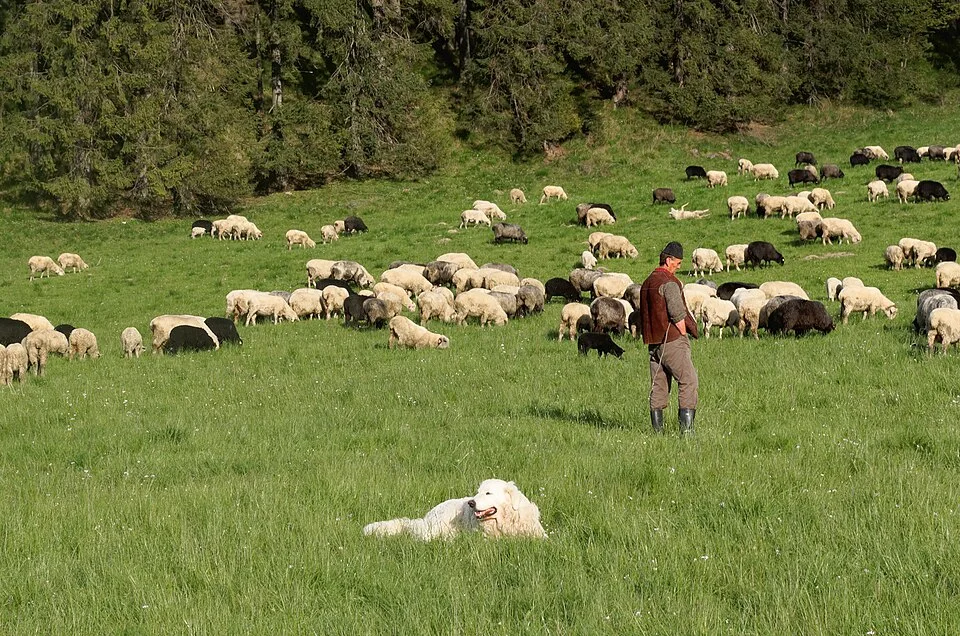
Sources ↗Traditional shepherding in the Carpathians
Senior shepherds manage seasonal grazing, make cheese and organise work in mountain shelters.
Sources ↗Black Highlanders’ woven gloves
The community preserves the weaving of gloves traditionally used by carters.
Sources ↗Ciężkowice basket weaving
Residents pass on how to weave a local type of basket.
Sources ↗Spruce-root basketry in the Silesian Beskids
Weavers prepare spruce roots and use them as a material for basketry.
Sources ↗Salt miners’ celebrations in Bochnia and Wieliczka
Mining communities hold St Barbara’s Day festivities and preserve devotion to St Kinga.
Sources ↗Ore miners’ traditions near Tarnowskie Góry
The local community remembers ore mining and its patron saint.
Sources ↗Upper Silesian miners’ brass bands
Mining bands play for community and professional occasions.
Sources ↗Bobowa bobbin lace
Lacemakers preserve a technique using threads wound around wooden bobbins.
Sources ↗Basketry in Opole Silesia
Local makers weave plant materials into everyday objects.
Sources ↗Opole Silesian herbal knowledge
Communities pass on how to find and use herbs.
Sources ↗Dobrzeń Wielki embroidery
Local embroiderers preserve patterns and techniques.
Sources ↗Żywiec townspeople’s dress
The community preserves how to sew and wear its traditional town costume.
Sources ↗Pieniny rafting on the Dunajec
Rafters pass on how to guide traditional craft through the river.
Sources ↗Kutno folk woodcarving
Local craftspeople preserve a tradition of carving figures in wood.
Sources ↗Kurpie Green Forest embroidery
Local workshops teach embroidery patterns used in regional dress.
Sources ↗Pottery in Medynia and nearby villages
Craftspeople maintain local pottery workshops and skills.
Sources ↗Easter drumming in Iłża
A drum known as a baraban sounds around the town during the Easter observances.
Sources ↗Gogolin harvest crowns
The community makes ceremonial crowns from grain and other plants.
Sources ↗St Lawrence fires
A fire-lighting practice associated with festivities for St Lawrence.
Sources ↗Kashubian embroidery
Kashubian schools preserve their own colours and plant motifs.
Sources ↗Cimbalom building and playing in south-eastern Poland
Musicians and makers preserve the instrument and its repertoire.
Sources ↗Węgrów double-warp weaving
Weavers use two sets of warp threads to build patterned cloth.
Sources ↗Homing pigeon keeping and flights
Breeders keep and train pigeons and organise flights.
Sources ↗Jagiellonian University opening procession
The university marks the start of the academic year with a formal procession.
Sources ↗St Roch’s procession in Dobrzeń Wielki
Participants carry religious figures during the festivities.
Sources ↗Żory Fire Festival
A procession commemorates a major fire in the town’s history.
Sources ↗Warsaw walking pilgrimage to Jasna Góra
Pilgrims travel on foot from Warsaw to the sanctuary in Częstochowa.
Sources ↗Wejherowo pilgrim image bows
Groups make ceremonial bows with images carried on frames.
Sources ↗Wooden toys of Łączna and Ostojów
Local workshops keep traditional wooden toy making alive.
Sources ↗Kurpie Green Forest Easter palms
Tall palms made with colourful flowers and tissue paper accompany Palm Sunday.
Sources ↗Kurpie White Forest oklejanka eggs
Decorators glue material onto Easter eggs to form local patterns.
Sources ↗Tarnowskie Góry Gwarki procession
Costumed participants portray figures from the town’s history and its mines.
Sources ↗Steelworkers’ Day and steelworks traditions
Local communities maintain the professional traditions and special day of steelworkers.
Sources ↗Opoczno cultural traditions
People in the area preserve local dress, songs, music and social customs.
Sources ↗Świętokrzyskie papercutting
Craftspeople create decorative compositions cut from paper.
Sources ↗Chazy cultural traditions
Communities around Rawicz preserve local music and dress.
Sources ↗Łemko krywulka beadwork from Komańcza
Makers create broad necklaces woven with small beads.
Sources ↗Wafer ornaments in the Liwiec Valley
Local households make delicate decorations from Christmas wafers.
Sources ↗All Saints’ collection at Stare Powązki
A public collection around All Saints’ Day helps maintain historic graves in Warsaw.
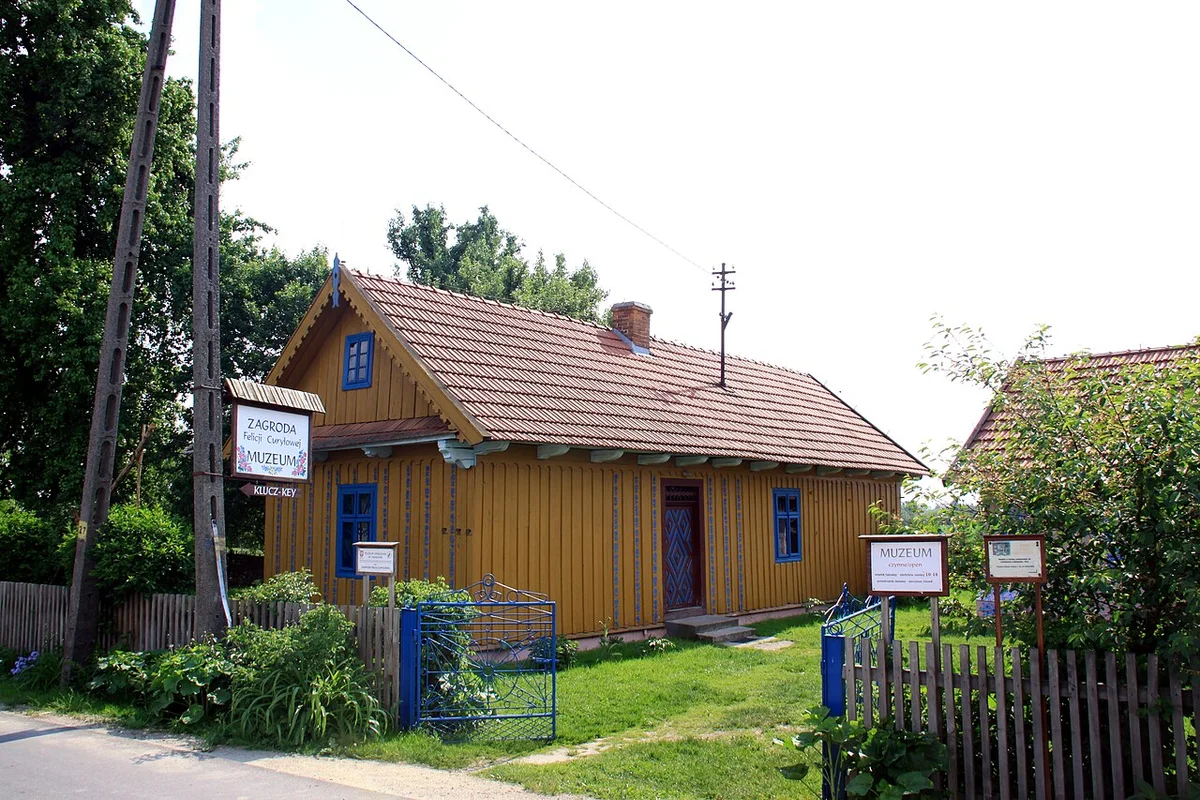
Sources ↗Painted houses of Zalipie and nearby villages
Floral motifs decorate homes and household objects.
Sources ↗Jastarnia midsummer festivities
Jastarnia keeps its own midsummer customs.
Sources ↗Bielsk ceremonial towels
Woven rucznik towels are used in community and family ceremonies.
Sources ↗Lubelskie hanging pająki decorations
Craftspeople shape straw, tissue and paper into ornaments hung indoors.
Sources ↗Bodzentyn weaving
Local weavers pass on how to make regional fabrics.
Sources ↗Górale Czadeccy traditions
Families preserve songs, customs and memories of migration.
Sources ↗Christmas Eve in Poland
Households share a meal, exchange wishes over wafers and sing carols.
Sources ↗Pałuki embroidery
Embroiderers maintain local motifs and techniques for decorating regional garments.
Sources ↗Sieradz embroidery
Communities pass on the patterns and techniques of traditional clothing.
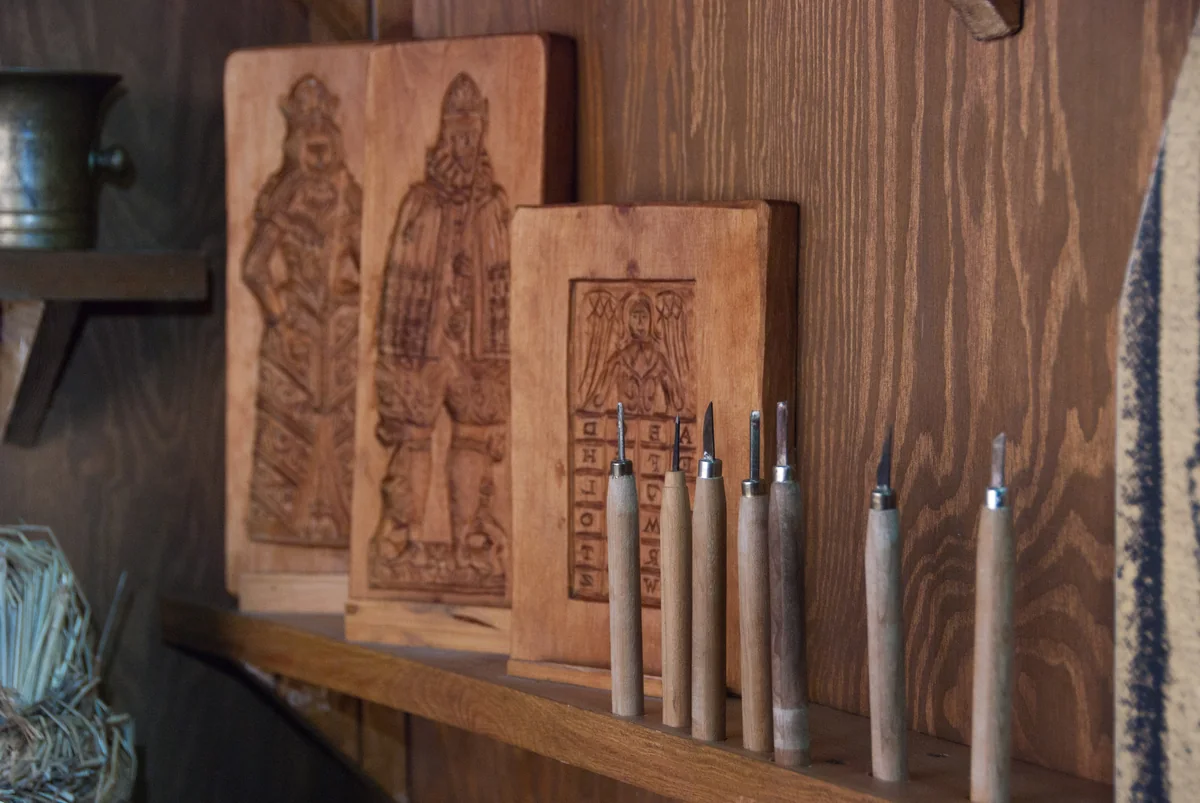
Sources ↗Toruń gingerbread
Bakers make spiced dough and press it in decorated moulds.
Sources ↗Carolling beneath windows in Wisła
Carollers sing and wish residents well from outside their homes.
Sources ↗Bukovinian Highlander wedding
Traditional songs, dress and dancing are part of the community’s wedding customs.
Sources ↗Szczodroki rounds in Karczmiska
Residents visit homes and exchange good wishes around the New Year.
Sources ↗Corpus Christi procession in Myszyniec
People in Myszyniec gather for Corpus Christi observances.
Sources ↗Wax-resist Easter eggs in Lubelskie
Decorators use wax to preserve patterns while dyeing eggs.
Sources ↗Polish Carpathian highland culture
Mountain communities pass on music, dress, sheep-rearing skills and customs.
Sources ↗Żywiec tissue paper crafts
Craftspeople turn tissue paper into flowers and ornaments.
Sources ↗Easter bears in Góra
Costumed participants portray bears as part of a local Easter custom.
Sources ↗Flower carpets in Skęczniew
Residents place floral compositions along the processional route.
Sources ↗Easter procession and tomb guards in Dobra
The parish observes the Emmaus procession and a ceremonial Tomb of Christ guard.
Sources ↗Krasnystaw scratched eggs
Decorators scratch the surface of dyed eggs to create kraski patterns.
Sources ↗Brzóza Stadnicka wooden toys
Local makers shape and decorate wooden toys.
Sources ↗Lasowiak wooden toys
Craftspeople between the Vistula and San preserve regional toy designs.
Sources ↗Kurpie White Forest papercutting
Local makers cut traditional patterns out of paper.
Sources ↗Pałuki festive ornament making
Craftspeople make decorations for local celebrations and ceremonies.
Sources ↗Tyszowce ceremonial candles
The community makes and carries large candles at religious celebrations.
Sources ↗Opole Silesian beekeeping
Beekeepers pass on techniques and the region’s beekeeping history.
Sources ↗Lubelskie wafer decorations
Lightweight decorations made of wafers are displayed at Christmas.
Sources ↗Chałupki pottery and ceramic figures
Potters form vessels and figures from clay.
Sources ↗Traditional stove building
Stove builders preserve the skills used to build and repair masonry stoves.
Sources ↗Straw ornaments near Lubartów
Craftspeople weave decorations by hand in Majdan Kozłowiecki, Annobór and Łucka-Kolonia.
Sources ↗Łemko language and heritage
The language carries the Łemko community's cultural memory.
Sources ↗Harvest festivals
Local harvest celebrations include a ceremonial wreath and gifts made with the new crop. Each municipality sets its own date.
Sources ↗Potato harvest
Open-air museums demonstrate traditional ways of lifting and gathering potatoes as a group.
Sources ↗Łowicz papercutting
Coloured cutouts are layered to make designs featuring flowers, roosters and other local motifs.
Sources ↗Łemko Watra
The word watra refers to both a fire and the community festival. The gathering in Zdynia includes music and craft.
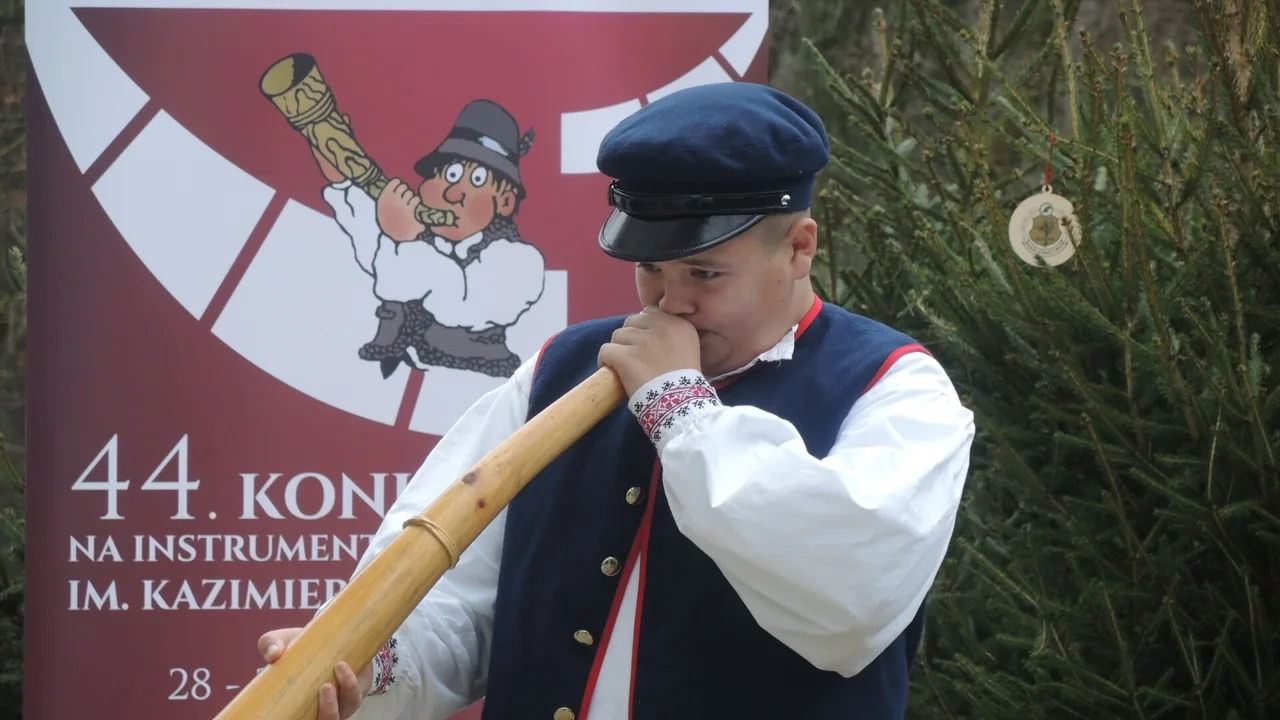
Sources ↗Shepherds’ instruments
Instruments such as the ligawka, bazuna and trombita have long associations with rural life.
Sources ↗Olęder plum preserve making
The open-air museum in Wiączemin recalls orchard work and plum preserves on riverside farms.
Sources ↗Boyko songs in the Bieszczady
Boyko songs preserve the local dialect. Workshops at FANTO in Ustrzyki Dolne teach this repertoire and explore what it reveals about the lives of former inhabitants of the Bieszczady.
Sources ↗